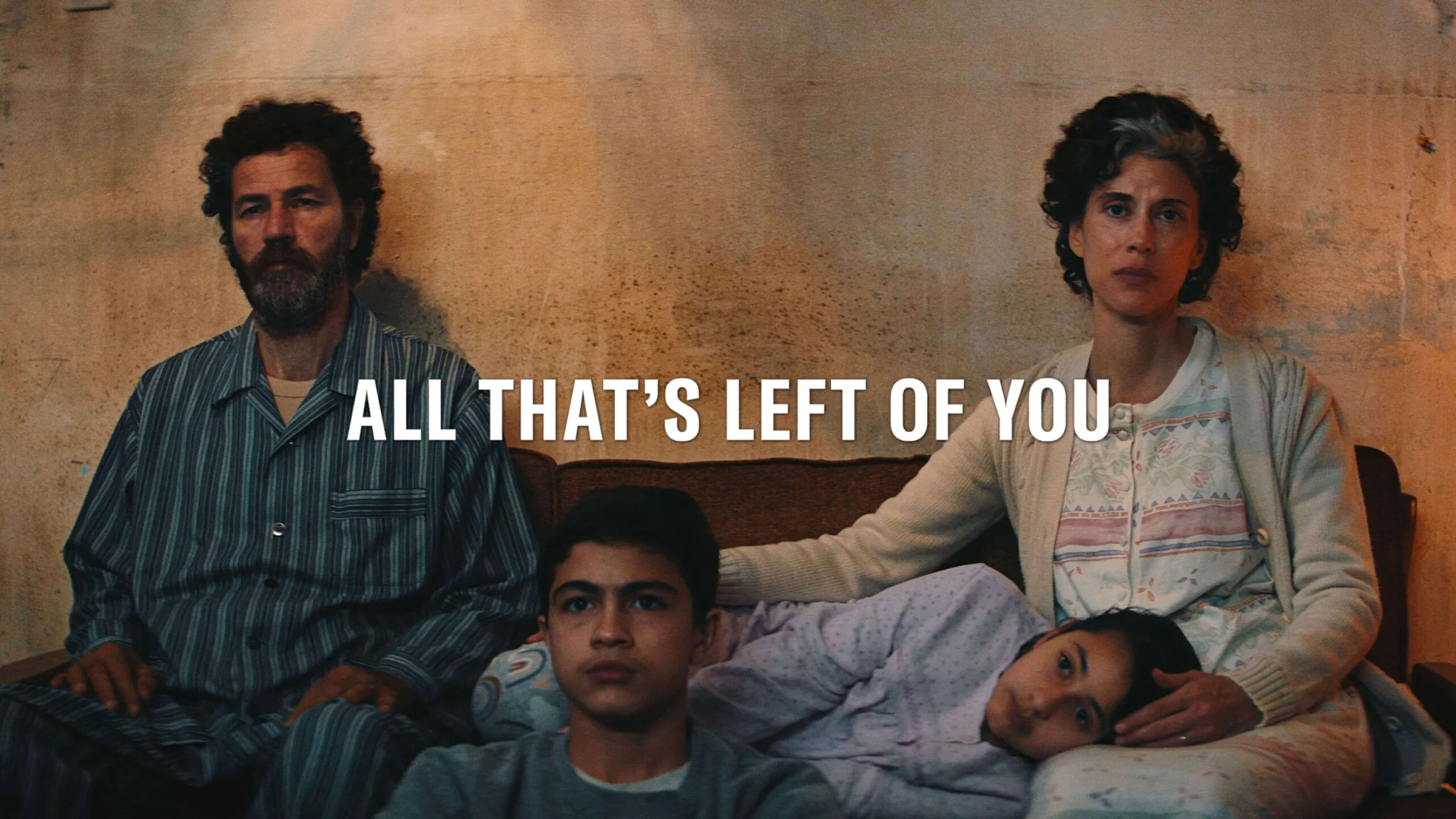
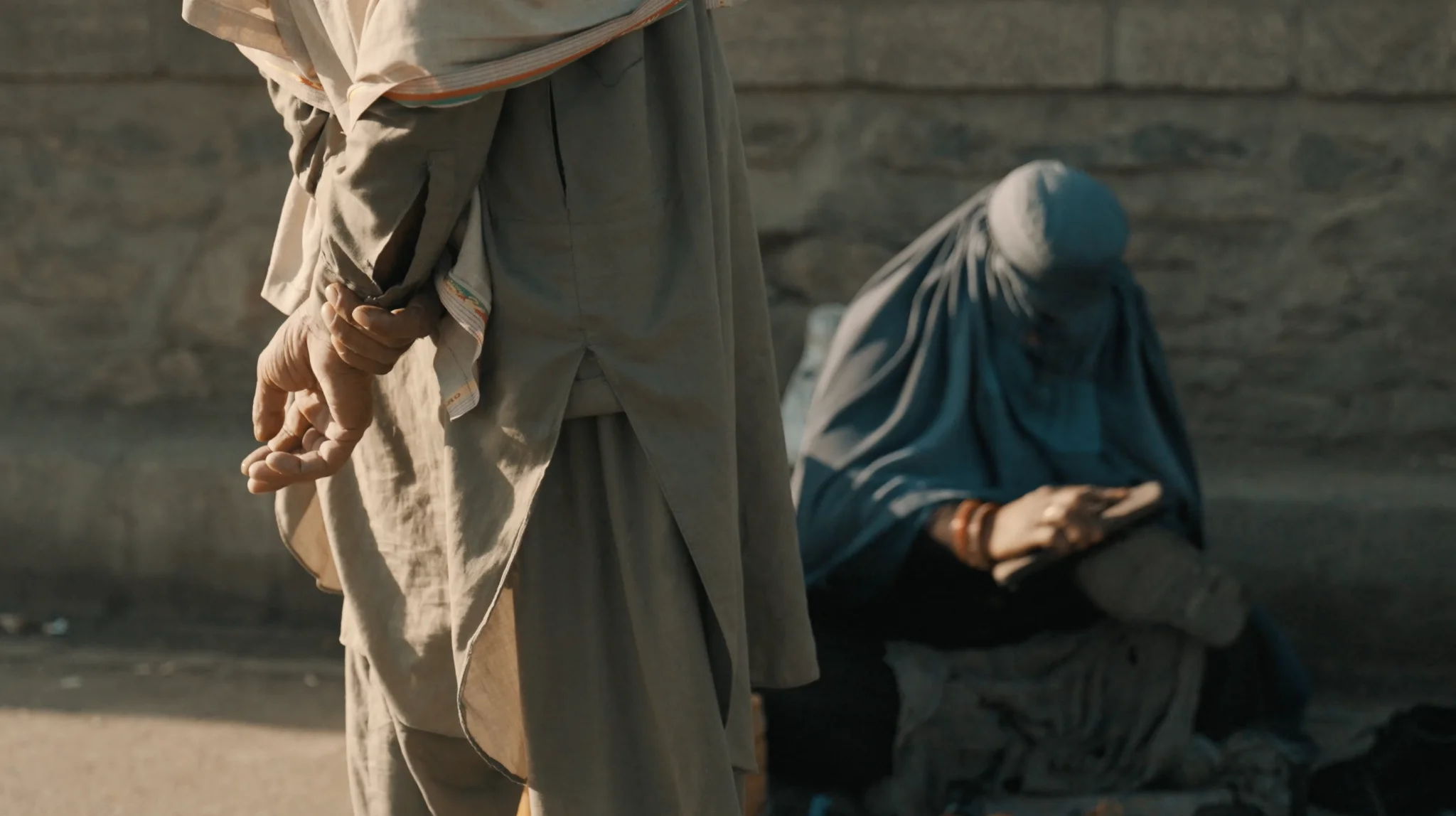
Her name is Wasima. She is 49 years old and has six children. She lost her mother when she was ten and grew up an orphan. In a poor land, in a place where women are not valued, she is one of those who can best explain what it means to grow up motherless. At the age of twelve, still a child herself, she was married off. “Thank God my husband was a good man,” she says. But five years ago, she lost him in the war as well. She was left alone with six children.
Her eldest daughter’s husband went to Iran four years ago to work. Since then, there has not been a single word from him. Alive or dead, no one knows. With two babies in her arms, the daughter took refuge with her mother, Wasima.
Wasima has become both the mother and the father of her household. There are eight mouths in the house depending entirely on her. None of them even has an official identity record. If they were to die, there would be no one to ask questions, no one to investigate. That is the depth of their loneliness.
Wasima picked up two brushes and some paint and went out onto the streets to shine shoes. They rent a single-room place for 1,000 Afghanis a month (about 215 TL). Nine people live in that one room. On the streets, she has been heavily marginalized beaten more than once simply for working “as a woman.”
“I have no choice,” she says. “Let them do whatever they want. Let them insult me as much as they like, beat me if they must I have to work. I have nothing to give my children except my life.” And truly, she has nothing else.
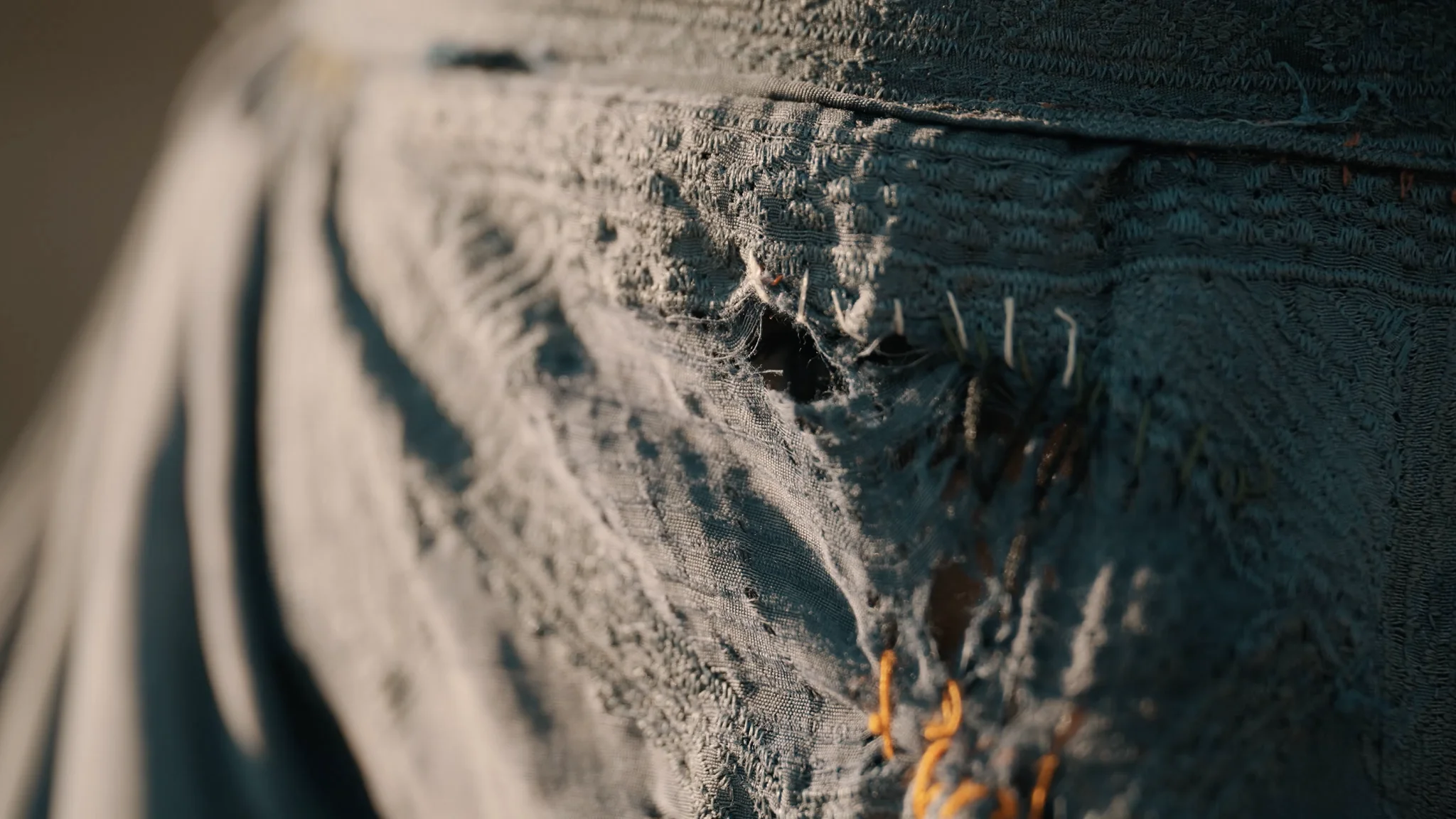
It’s not only people on the streets who look at her with contempt because she works; even the women in her own neighborhood gossip about her. They shame her for shining shoes. That’s why she tells no one what she does. In the morning, she leaves home, takes her shoe-shining materials from where she hides them in a shop stuffed into a sack and sits by a wall, trying to earn a few coins. Just enough to bring bread home. In the evening, before returning, she leaves her materials in the same place again and heads home, hiding her hands stained black with polish.
To me, Wasima is the purest example of what it truly means to survive by sheer will and labor. She became an orphan at ten. Her children became orphans at a young age. Even her grandchildren are orphans now. It is as if Afghanistan passes down the weight of orphanhood from one generation to the next. And despite all the tears, it seems destined to keep passing it on, without ever growing tired.