olması benim için çok kıymetli. Hiçbir zaman kameranın önünde olmayı seven biri olmadım. Aksine, elimde kamerayla başkalarının hikâyelerini dinlemekten keyif alan biriyim. Ama bu hikâye gelip beni buldu; onu anlatmamak, önce kendime, sonra Türkiye’de yaşayan binlerce başörtülü kadına büyük bir haksızlık olurdu. Bu yüzden kameranın önüne geçmeye ve kendi hikâyemi anlatmaya karar verdim. “Kırmızı Başlıklı Kız Ormana Girerse”, kazandığı üniversitede, başörtüsüyle “var olma” mücadelesi veren genç bir kadının hikâyesini anlatıyor. Bu üniversite, Ege Üniversitesi Radyo, Televizyon ve Sinema Bölümü’ydü. 2015 yılına kadar, hatta bugün bile — üniversitelerde başörtüsü yasağını doğrudan ele alan, güçlü ve sahici bir belgesel neredeyse hiç yapılmadı. Bu konudaki belgeseller ve videolar genellikle ekranda ağlayan, güçsüz gösterilen kadınlar üzerinden anlatıldı. Ben bu kalıbı kırmak istedim. Çünkü hakkım için mücadele ederken ağladığımı göstermek, beni ve benim gibi mücadele eden diğer kadınları zayıf göstermekten başka bir işe yaramıyordu. Oysa okul yönetimiyle, sınıf arkadaşlarımla ve sistemin kendisiyle oldukça ağır bir mücadele içindeydim ve bu mücadelede güçlü durmam gerektiğini hissediyordum. En başta, bu yasak son derece saçmaydı. Neden ağlayacaktım ki? Güçlü olmaya karar verdim; ağlamak yerine, bu anlamsız yasağı ti’ye almayı seçtim. “Kırmızı Başlıklı Kız Ormana Girerse”, üniversiteleri kendi çiftlikleri gibi gören ve istedikleri gibi yöneten “okumuş ağalara” karşı verdiğim mücadelenin hikâyesidir. Evet, teknik olarak eksikleri olan bir iş. Ama kaliteli telefonların olmadığı, elde taşınan kameraların bile oldukça büyük olduğu bir dönemde çekildi. Pek çok sahneyi gizli kamerayla çekmek zorunda kaldım. Bu hikâyede içerik, teknikten her zaman daha önemliydi. İşte ilk belgeselimin hikâyesi.
Documentary
Colours of Pakistan - Islamabad
Proje Bilgileri ( Pakistan'ın Renkleri - Islamabad )
05:51
2020
“If Little Red Riding Hood Enters the Forest” is my first documentary. That my very first film tells my own story is deeply meaningful to me. I have never been someone who enjoys being in front of the camera. On the contrary, I am someone who finds joy in holding the camera and listening to other people’s stories. But this story came and found me; not telling it would have been a great injustice—first to myself, and then to the thousands of headscarf-wearing women living in Türkiye. That is why I decided to step in front of the camera and tell my own story.
“If Little Red Riding Hood Enters the Forest” follows the story of a young woman fighting to exist at the university she had earned the right to attend—while wearing a headscarf. That university was the Radio, Television, and Cinema Department at Ege University. Until 2015—and even today—there have been almost no strong, honest documentaries that directly confront the headscarf ban at universities. Most documentaries and videos on the subject portrayed women as weak, shown crying on screen. I wanted to break that mold. Because showing myself crying while fighting for my rights would have done nothing but make me—and other women like me—appear powerless.
In reality, I was engaged in a harsh struggle with the university administration, my classmates, and the system itself, and I felt I had to stand strong. Above all, the ban was utterly absurd. Why should I cry? I chose strength. Instead of tears, I chose to mock and expose the senselessness of this meaningless prohibition.
“If Little Red Riding Hood Enters the Forest” is the story of my resistance against the so-called “educated lords” who saw universities as their personal estates and ruled them as they pleased.
Yes, technically, the film has its shortcomings. It was made at a time when high-quality phones did not exist and even handheld cameras were bulky and heavy. I had to shoot many scenes with a hidden camera. In this story, content was always more important than technique.
This is the story of my first documentary.
buz devri seslendirme
“Buz Devri seslendirme” → “Ice Age dubbing”
If you want a more natural or context-based version, here are a few alternatives depending on usage:
-
Ice Age voice-over
-
Ice Age dubbing work
-
Voice acting for Ice Age
-
Ice Age Turkish dubbing (if you mean the Turkish version specifically)
If you tell me where it will be used (CV, website, Instagram caption, portfolio text), I can refine it perfectly for that context.
Kültür ve Turizm Bakanlığı bünyesinde yer alan Türkiye’nin en önemli müzeleri için hazırlanan sesli rehberlik uygulamalarında seslendirme yaptım. Bu projede amaç, ziyaretçilerin mekânla kurduğu bağı güçlendirmek; tarihsel bilgiyi kuru bir anlatımın ötesine taşıyarak, yaşayan ve hissedilen bir deneyime dönüştürmekti. Ses, burada yalnızca bir aktarım aracı değil, mekânın hafızasını taşıyan bir anlatıcı olarak konumlandı. Efes’ten Patara’ya, Nemrut’tan Sivas ve Mardin müzelerine, İslam Bilim ve Teknoloji Tarihi Müzesi’nden Türkiye’nin farklı coğrafyalarındaki pek çok önemli kültür mirasına uzanan bu çalışmada, her mekânın kendi ruhuna uygun bir ton ve ritim benimsendi. Tarihsel derinliği olan bu alanlarda, anlatımın temposu, vurguları ve duygusal dengesi; ziyaretçinin adımlarına eşlik edecek şekilde kurgulandı. Farklı müze ve içerikler için gerçekleştirdiğim seslendirme çalışmalarını bir araya getirdiğim bu içerikte, yalnızca birkaç içeriği dinleyebilirsiniz. Kültürel mirasın görünmeyen katmanlarını ses yoluyla görünür kılmayı hedefleyen bu çalışma, anlatının gücüyle mekânı buluşturan bir yaklaşımın ürünü olarak öne çıkmaktadır.
I provided voice-over narration for audio guide applications prepared for some of Türkiye’s most important museums under the Ministry of Culture and Tourism. The aim of this project was to strengthen the bond between visitors and the spaces they explore—transforming historical information from a dry, factual account into a lived, sensorial experience. Here, the voice was not merely a tool of transmission, but a narrator carrying the memory of the place itself.
From Ephesus to Patara, from Mount Nemrut to the museums of Sivas and Mardin, and from the Museum of the History of Islamic Science and Technology to many other cultural heritage sites across different regions of Türkiye, each location was approached with a tone and rhythm suited to its unique spirit. In these historically layered spaces, the pace, emphasis, and emotional balance of the narration were carefully designed to move in harmony with the visitor’s footsteps.
In this compilation, which brings together my voice-over work for various museums and contents, you can listen to a selection of excerpts. Aiming to make the unseen layers of cultural heritage perceptible through sound, this work stands out as an approach that brings space and narrative together through the power of storytelling.
Kültür Bakanlığı müzeler için sesli rehberlik uygulaması
Here are natural, native-sounding English options, depending on how formal or descriptive you want it to be:
Most common / neutral
-
Audio guide application for Ministry of Culture museums
More polished / portfolio-friendly
-
Audio guide applications for museums under the Ministry of Culture and Tourism
-
Museum audio guide project commissioned by the Ministry of Culture and Tourism
Short & clean (CV / caption style)
-
Ministry of Culture museum audio guides
-
Audio guide narration for Ministry of Culture museums
More descriptive
-
Voice-over work for audio guide applications developed for museums affiliated with the Ministry of Culture and Tourism
If you tell me where this line will appear (website headline, video title, CV bullet, Instagram caption), I can refine it to a perfectly tailored final version.
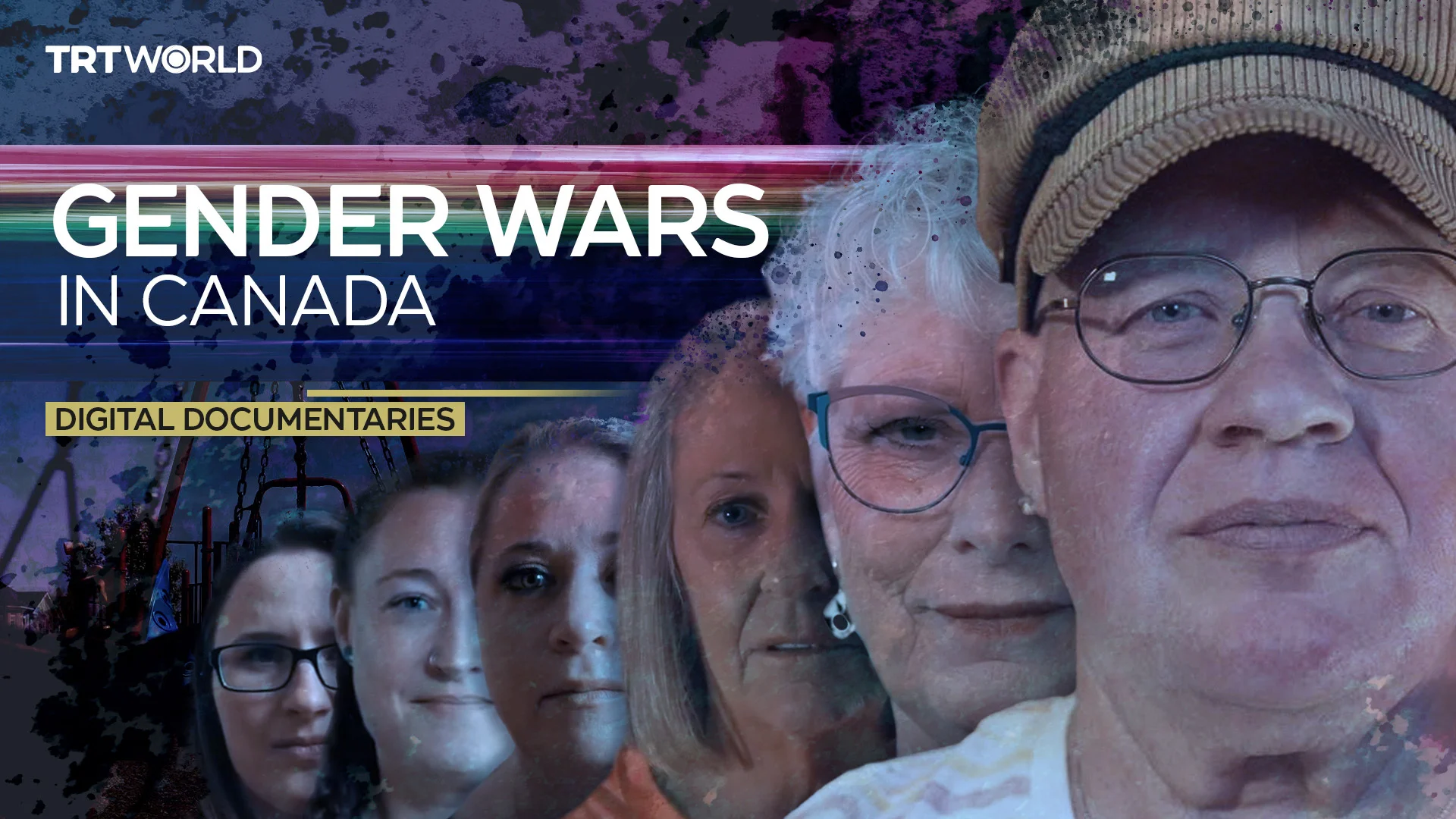
Dr Ann Gillies, hazırladığım “Gender Wars in Canada” belgeselim de öne çıkan en önemli isimlerden biriydi. Bu kez onunla, hem olağanüstü yaşam yolculuğunu hem de belgeselin yayımlanmasının ardından hissettiklerini konuştum. “Bu son derece önemli… Ebeveynler bunu izlemeli. Eğitimciler bunu izlemeli. Politikacılar bunu izlemeli. Çünkü bu, gerçeğin ta kendisi.” — Dr Ann Gillies Bu samimi ve sarsıcı röportajda Dr Gillies, kendi travma deneyiminden yola çıkarak Kanada’daki eğitim sisteminde giderek görünmez hale gelen tehlikelere dikkat çekiyor. Cinsiyet ideolojisinin çocuklar üzerindeki etkilerini anlatırken, suskun kalmanın bedeline ve çocukların nasıl savunmasız bırakıldığına işaret ediyor. Dr Gillies’in çağrısı net: Çocukları ideolojik yönlendirmeden ve kimlik karmaşasına sürüklenmekten korumak, yalnızca ailelerin değil, toplumun tamamının sorumluluğu. Bu röportaj, gerçeği dile getirmenin cesaret istediği bir dönemde, susturulmak istenen bir sesi duyuruyor.
Dr. Ann Gillies was one of the most prominent voices in my documentary “Gender Wars in Canada.” This time, I spoke with her about both her extraordinary life journey and how she felt after the documentary was released.
“This is critically important… Parents need to watch this. Educators need to watch this. Policymakers need to watch this. Because this is the truth itself.”
— Dr. Ann Gillies
In this intimate and powerful interview, Dr. Gillies draws on her own experience of trauma to shed light on the increasingly invisible dangers within Canada’s education system. As she discusses the impact of gender ideology on children, she points to the cost of silence and how children are being left profoundly vulnerable.
Dr. Gillies’ message is clear: protecting children from ideological indoctrination and identity confusion is not only the responsibility of families, but of society as a whole.
At a time when speaking the truth requires courage, this interview gives voice to a perspective that many seek to silence.
Filistinlilerin kanı yalnızca İsrail’in ellerine mi bulaşmış durumda? Hayır. Onlarca ülke bu soykırıma doğrudan ya da dolaylı biçimde destek verdi. İsrail’e silah sağlayarak, politik koruma sunarak ve Filistin’le dayanışma gösteren sesleri şiddet ve baskıyla susturarak… Almanya da bu ülkeler arasında yer alıyor. “Biz tarihi biliyoruz, gerçeği biliyoruz. Almanya’nın İsrail’e koşulsuz desteğinin arkasında tek bir neden var. Filistinliler olarak bizimle birlikte ellerinizdeki kanı asla temizleyemezsiniz.” Almanya, İsrail’i kurulduğu günden bu yana neredeyse sorgusuz sualsiz destekledi. Peki, Filistin toprakları üzerinde kurulan bir devletin tarihsel sorumluluğunu taşıyan bir ülkenin bu sarsılmaz desteğinin ardında ne yatıyor? Suçluluk duygusu mu, tarihsel hesaplaşmadan kaçış mı, yoksa siyasi çıkarlar mı? 470 gün süren bir soykırımın ardından Filistin halkı hayatta kalmaya, yaralarını sarmaya çalışırken; artık yalnızca İsrail’e değil, bu yıkımın önünü açan aktörlere de yakından bakmanın zamanı geldi. Almanya, bu sistematik şiddetin en önemli kolaylaştırıcılarından biri olarak karşımızda duruyor. “Almanya’da insanlar tarihsel olarak antisemitizmle suçlanmaktan çok korkuyor. Beni de suçladılar. Oysa ben sadece Yahudi değilim, aynı zamanda İsrailliyim. İsrail ordusunda görev yaptım. Ama Filistin halkının İntifadası gözlerimi açtı.” Bu belgesel, Almanya’nın İsrail’e verdiği koşulsuz desteği; tarih, suçluluk, korku ve siyasi çıkarlar ekseninde sorguluyor. Susturulan seslerin, bastırılan itirazların ve görmezden gelinen gerçeklerin izini sürerek şu soruyu soruyor: Geçmişle yüzleşmeden adalet mümkün mü?
Is Palestinian blood only on Israel’s hands?
No. Dozens of countries have supported this genocide—directly or indirectly. By supplying Israel with weapons, offering political protection, and violently suppressing voices that stand in solidarity with Palestine. Germany is among them.
“We know history, we know the truth. There is only one reason behind Germany’s unconditional support for Israel. As Palestinians, you will never be able to wash the blood from your hands by standing with us.”
Since its founding, Germany has supported Israel almost without question. But what lies behind this unwavering backing by a country that bears historical responsibility for a state established on Palestinian land? A sense of guilt? An avoidance of historical reckoning? Or political self-interest?
After 470 days of genocide, as the Palestinian people struggle to survive and heal their wounds, it is time to look not only at Israel, but also at the actors who have enabled this devastation. Germany stands before us as one of the most significant facilitators of this systematic violence.
“In Germany, people are historically terrified of being accused of antisemitism. I was accused as well. Yet I am not only Jewish—I am also Israeli. I served in the Israeli army. But the Palestinian Intifada opened my eyes.”
This documentary interrogates Germany’s unconditional support for Israel through the lenses of history, guilt, fear, and political interest. Tracing silenced voices, suppressed dissent, and ignored truths, it asks a fundamental question:
Is justice possible without confronting the past?
TRT 2’de, Türkiye’nin kültür ve sanat kanalı olan bu değerli platformda belgesel sinema üzerine keyifli bir söyleşiye davet edildim. Belgesel sinemanın kendine özgü yönlerini ve toplumsal farkındalık oluşturmada üstlendiği rolü konuşmak benim için son derece besleyici bir deneyimdi. Sohbet boyunca, gerçek hayat hikâyeleri aracılığıyla anlatının gücünü, belgeselcilerin gerçeği yakalarken sanatsal bütünlüğü koruma noktasında karşılaştıkları zorlukları ele aldık. Alanında yetkin isimlerle fikir paylaşmak ve izleyiciyle doğrudan etkileşim kurabilmek ise bu deneyimi daha da anlamlı kıldı. Belgesellerin kültürel dünyadaki önemine dair süregelen tartışmaya katkı sunma imkânı bulduğum kıymetli bir program oldu.
I was invited to a thoughtful conversation on documentary cinema on TRT 2, Türkiye’s culture and arts channel—an esteemed platform dedicated to cultural dialogue. Discussing the distinctive qualities of documentary filmmaking and its role in fostering social awareness was a deeply enriching experience for me.
Throughout the discussion, we explored the power of storytelling through real-life narratives, as well as the challenges documentary filmmakers face in capturing truth while preserving artistic integrity. Exchanging ideas with respected voices in the field and engaging directly with the audience made the experience even more meaningful. It was a valuable program that allowed me to contribute to the ongoing conversation about the importance of documentaries within our cultural landscape.
TRT 2'de Sinema+ Programı
Here are natural, native-sounding English options, depending on how and where you’ll use it:
Most accurate / formal
-
Cinema+ on TRT 2
Slightly descriptive (first mention)
-
the Cinema+ program on TRT 2
For a CV or portfolio line
-
Guest on Cinema+, TRT 2
-
Featured guest on TRT 2’s Cinema+ program
More explanatory (for international audiences)
-
the Cinema+ program on TRT 2, Türkiye’s culture and arts channel
If you’d like, I can also help you combine this smoothly into a full sentence or caption (e.g. for LinkedIn, Instagram, or your website).
On iki yıl önce, bir röportajında Filistinli usta oyuncu Salih Bakri’ye kendisini Filistin sinemasında görüp göremeyeceğimiz sorulmuştu. Bu soruya şöyle cevap vermişti Bakri; “Filistin sinemasının bir parçası olmak istiyorum. Bana ait olan, bize ait olan bir şey üretmek istiyorum. Ama şu an ufukta bir proje yok. Ancak eminim ki gelecek. Gençler inanılmaz derecede aktif ve Filistinli gençler konusunda oldukça ünitliyim.” Aradan on iki yıl geçti. Bugün Salih Bakri’yi büyük perdede, üstelik iki güçlü filmle birden izlemek büyük bir heyecan yaratıyor. Filistin sinemasının kat ettiği yola tanık olmak ise insanın gözlerini dolduruyor. All That’s Left of You bu çarpıcı yapımlardan sadece biri. Film, Filistin halkının yaşadığı bireysel ve kolektif travmaları merkeze alıyor ve bu yaraların üç kuşak boyunca nasıl aktarıldığını gösteriyor. Toplumlar çoğu zaman geçmişte yaşanan büyük bir felaketi kolektif kimliklerinin merkezine yerleştirir ve bu travmatik hafıza nesiller boyunca aktarılır. Böylece travma, hem aile kimliğinin hem de toplumsal kimliğin kurucu bir unsuru hâline gelir. O felaketi bizzat yaşamamış olanlar bile, anne babalarının anılarını kendi anılarıymış gibi içselleştirir. Yeni kuşak, geçmişten hem uzak hem de onunla derinden kuşatılmış bir mirası devralır. Başka bir deyişle, bireyin iç dünyası ile bir toplumun hafızası birbirine karışır; biri diğerinin sessiz tanığı olur. Toplumsal travma, bireysel bir yaradan çok daha derin ve geniş bir kopuşu ifade eder. Savaş, zorunlu göç, katliamlar, kayıp, sürgün, baskı ve silinen tarihler yalnızca bunları doğrudan yaşayanları değil; çocuklarının ve torunlarının duygusal ve psikolojik dünyasını da şekillendirir. Psikolojide buna kuşaklararası (transgenerational) travma denir. All That’s Left of You, tam olarak bu olguyu, tek bir ailenin üç kuşağının hayatına dokuyarak anlatıyor. Hikâye, Batı Şeria’da bir protesto sırasında yaralanan Filistinli bir çocuk olan Noor’la (Muhammad Abed Elrahman) başlıyor. Annesi Hanan (Cherien Dabis), bu ana nasıl gelindiğini anlatmak için bizi aile geçmişinin derinliklerine götürmeye karar veriyor. Güçlü, kırılgan ama kararlı bir tonla, Hanan’ı yakın planda doğrudan kameraya konuşurken görüyoruz. Sözlerini duyuyoruz; ancak kime hitap ettiğini filmin sonuna kadar tam olarak anlayamıyoruz: “Bizim hakkımızda çok şey bilmiyorsun. Sorun değil, seni suçlamak için burada değilim. Sana oğlumun kim olduğunu anlatmak için buradayım. Ama anlaman için, dedesine ne olduğunu anlatmam gerekiyor.” Sesi bizi 1948’e, Nakba’ya götürüyor. Yafa’dayız; Noor’un dedesinin gençliğine tanıklık ediyoruz. Portakal bahçeleriyle çevrili, huzurlu, neredeyse masalsı bir hayatın içine giriyoruz. Bu bölüm, filmin dört ayrı zaman diliminden ilki ve üç kuşağın başlangıç noktası. Dede Sharif (Adam Bakri), Yafa’daki portakal bahçesini korumaya çalışırken yerinden edilme ve hapisle yüzleşiyor. Toprağını terk etmeyi reddedişi, bir yere duyulan bağın ne kadar derin olabileceğini -duygusal, varoluşsal ve kimlik düzeyinde- çarpıcı biçimde ortaya koyuyor. Evlerinden zorla çıkarılan Sharif ve ailesi mülteci oluyor. Ardından 1978’e, yani ikinci kuşağı temsil eden döneme geçiyoruz. Sharif’in oğlu Salim (Salih Bakri) artık yetişkin; annesi hayatını kaybetmiş; babası, eşi ve çocuklarıyla birlikte daracık bir evde yaşamını sürdürüyor. Filmin en sarsıcı sahnelerinden biri de bu zaman diliminde karşımıza çıkıyor. Noor’un gözleri önünde Salim, İsrail askerleri tarafından aşağılanıyor ve Noor’un babasına duyduğu saygı ve güven bir anda yerle bir oluyor. Bu sahne aynı zamanda kuşaktan kuşağa geçen bir meşalenin simgesi: direnişin, öfkenin ve özlemin aktarımı. Salim, yerinden edilmenin ve bastırılmanın çözülememiş travmasını taşırken; Noor, babasının ve dedesinin gölgesinde protestonun içine çekiliyor. Yapısal olarak film, kişisel hikâyeleri iç içe geçirerek politik tarih ile özel tarihi buluşturan samimi bir aile destanı kuruyor. Noor vurulduktan sonra anlatı, duygusal olarak başka bir boyuta geçiyor ve miras alınan bu psikolojik yükün ağırlığı daha da derinleşiyor. Bakri ailesinin üç kuşağını aynı filmde izlemek başlı başına büyük bir keyif. Filistin sinemasının en önemli eserlerinden biri olan Jenin Jenin ile tanınan Mohammed Bakri’nin, oğulları ve torunuyla birlikte perdede yer alması gerçekten benzersiz bir sinema deneyimi sunuyor. Film; 1948, 1978, 1988 ve 2000’lerin başını kapsarken pasif bir mağduriyet anlatısı kurmuyor; aksine onur, direniş ve kendi tarihiyle yüzleşme üzerine yoğunlaşıyor. Bazı sahnelerde anlatım yer yer açıklayıcı, hatta neredeyse didaktik bir tona yaklaşsa da, filmin genel akışı güçlü ve sürükleyici. Final bölümünde tempo biraz hızlanıyor ve bazı önemli kararlar yeterince derinleştirilemediği için izleyicide bir eksiklik hissi bırakıyor. Filistin sinemasını seven biri olarak bu kusurlar beni çok rahatsız etmedi. Zaman zaman “Burası biraz daha açılabilir miydi?” diye düşündüm; ancak filmin süresini göz önünde bulundurduğumda, yönetmenin bazı tercihleri yapmak zorunda kalmasını anlayabiliyorum. Sadece 12 yıl içinde Filistin sinemasının kat ettiği yol, Gazze’deki soykırıma hâlâ gözlerini kapatanları bile sarsacak güçte. Filistinli sinemacıların ve Filistin’le dayanışma içindeki uluslararası yönetmenlerin altını çizmekten hiç vazgeçmediği çok önemli bir nokta var: “Gücümüzü Gazze halkından alıyoruz.” Tarih boyunca sinema, görünmeyeni görünür kılmanın, duyulması gereken sesleri yükseltmenin ve gelecek kuşaklara görsel bir hafıza bırakmanın en etkili araçlarından biri oldu. Son yıllarda ise bu mecranın Filistin halkı için hayati bir direniş aracına dönüştüğüne gururla tanıklık ediyoruz. The Voice of Hind Rajab, Palestine 36, No Other Land, 200 Meters, The Present, Farha, Bye Bye Tiberias, The Teacherve Once Upon a Time in Gaza gibi filmler, Filistin sinemasının ne kadar ileri gittiğinin en güçlü örnekleri arasında yer alıyor. Ve Filistin sinemasını destekleyen bizler için, bu güçlü filmleri büyük perdede izlemekten daha büyük bir mutluluk yok.
Twelve years ago, in an interview, Palestinian master actor Saleh Bakri was asked whether we would ever see him in Palestinian cinema. Bakri replied:
“I want to be part of Palestinian cinema. I want to create something that belongs to me—something that belongs to us. But at the moment, there is no project on the horizon. Still, I’m sure it will come. Young people are incredibly active, and I am very hopeful about Palestinian youth.”
Twelve years have passed since then. Today, seeing Saleh Bakri on the big screen—this time in two powerful films at once—is deeply moving. Witnessing how far Palestinian cinema has come is enough to bring tears to one’s eyes.
All That’s Left of You is one of these striking works. The film centers on the individual and collective traumas experienced by the Palestinian people and shows how these wounds are passed down across three generations. Societies often place a major historical catastrophe at the core of their collective identity, and this traumatic memory is transmitted from one generation to the next. Trauma thus becomes a foundational element of both family identity and social identity. Even those who did not directly experience the catastrophe internalize their parents’ memories as if they were their own. The new generation inherits a legacy that is both distant from the past and deeply enclosed by it.
In other words, an individual’s inner world and a society’s memory intertwine; one becomes the silent witness of the other.
Collective trauma represents a rupture far deeper and wider than an individual wound. War, forced displacement, massacres, loss, exile, oppression, and erased histories shape not only those who directly endure them, but also the emotional and psychological worlds of their children and grandchildren. In psychology, this is known as transgenerational trauma.
All That’s Left of You tells this very phenomenon by tracing the lives of three generations within a single family.
The story begins with Noor (Muhammad Abed Elrahman), a Palestinian boy wounded during a protest in the West Bank. His mother Hanan (Cherien Dabis) decides to take us back into the depths of the family’s past to explain how this moment came to be. In a strong yet fragile and resolute tone, we see Hanan speaking directly to the camera in close-up. We hear her words, but we don’t fully understand whom she is addressing until the very end of the film:
“You don’t know much about us. That’s okay—I’m not here to blame you. I’m here to tell you who my son is. But for you to understand, I need to tell you what happened to his grandfather.”
Her voice takes us back to 1948, to the Nakba. We are in Jaffa, witnessing Noor’s grandfather in his youth. We enter a peaceful, almost fairy-tale-like life surrounded by orange groves.
This segment is the first of the film’s four distinct time periods and marks the starting point of three generations. The grandfather Sharif (Adam Bakri) faces displacement and imprisonment as he tries to protect his orange orchard in Jaffa. His refusal to abandon his land powerfully reveals how deep one’s attachment to a place can be—emotionally, existentially, and at the level of identity.
Forcibly expelled from their home, Sharif and his family become refugees. The narrative then moves to 1978, representing the second generation. Sharif’s son Salim (Saleh Bakri) is now an adult; his mother has passed away; and he lives in a cramped house with his father, wife, and children.
One of the film’s most harrowing scenes unfolds in this period. In front of Noor’s eyes, Salim is humiliated by Israeli soldiers, shattering Noor’s respect and trust in his father in an instant. This moment also becomes a symbol of a torch passed from one generation to the next—the transmission of resistance, anger, and longing. While Salim carries the unresolved trauma of displacement and repression, Noor is drawn into protest under the shadow of his father and grandfather. Structurally, the film weaves personal stories together, creating an intimate family epic that brings political history and private history into dialogue.
After Noor is shot, the narrative shifts emotionally to another level, and the weight of this inherited psychological burden grows even heavier.
Watching three generations of the Bakri family in the same film is, in itself, a remarkable pleasure. Seeing Mohammed Bakri—known for Jenin, Jenin, one of the most important works of Palestinian cinema—on screen alongside his sons and grandson offers a truly unique cinematic experience. While the film spans 1948, 1978, 1988, and the early 2000s, it does not construct a narrative of passive victimhood; rather, it focuses on dignity, resistance, and confronting one’s own history.
At times, the storytelling leans toward an explanatory, almost didactic tone, but the overall flow remains strong and compelling. In the final section, the pace accelerates, and some key decisions are not explored as deeply as one might wish, leaving a slight sense of incompleteness. As someone who deeply values Palestinian cinema, these shortcomings did not trouble me greatly. There were moments when I thought, “Could this have been expanded a little more?” but considering the film’s runtime, it is understandable that the director had to make certain choices.
In just twelve years, the distance Palestinian cinema has traveled is powerful enough to shake even those who continue to turn a blind eye to the genocide in Gaza. There is one crucial point that Palestinian filmmakers—and international directors standing in solidarity with Palestine—never stop emphasizing:
“We draw our strength from the people of Gaza.”
Throughout history, cinema has been one of the most powerful tools for making the invisible visible, amplifying voices that must be heard, and leaving a visual memory for future generations. In recent years, we have witnessed with pride how this medium has become a vital instrument of resistance for the Palestinian people.
Films such as The Voice of Hind Rajab, Palestine 36, No Other Land, 200 Meters, The Present, Farha, Bye Bye Tiberias, The Teacher, and Once Upon a Time in Gaza stand among the strongest examples of how far Palestinian cinema has advanced. And for those of us who support Palestinian cinema, there is no greater joy than watching these powerful films on the big screen.
Senden Geriye Kalan: Film Okuması
What’s Left of You: A Film Reading
Here are a few alternative, natural-sounding options depending on tone and context:
-
What Remains of You: A Film Reading (more poetic)
-
All That’s Left of You – A Film Reading (if you want to keep the original film title)
-
All That’s Left of You: A Critical Reading
-
All That’s Left of You: A Film Analysis (more academic)
-
All That’s Left of You: An Interpretive Reading (essay-style)
If this is for a blog title, festival catalog, or academic text, tell me where it will appear and I’ll fine-tune it perfectly.
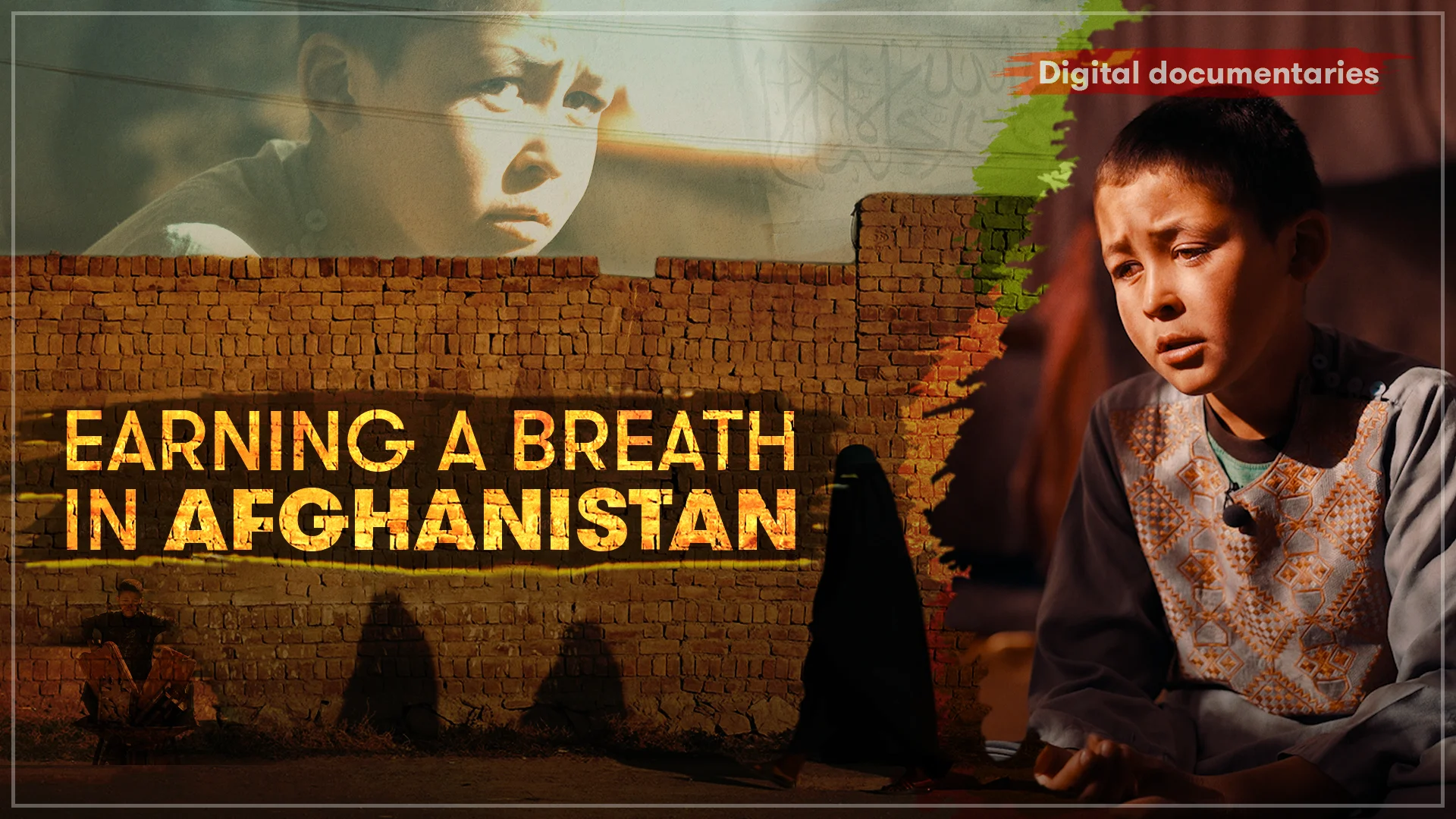
İsmi Wasima, 39 yaşında, 6 tane çocuğu var. Annesini 10 yaşında kaybetmiş. Yetim büyümüş. Fakir bir coğrafyada, kadınların değer görmediği bir yerde annesiz büyümenin ne demek olduğunu size en iyi anlatacak isimlerden biri. 12 yaşında, daha kücük bir çocukken evlendirmişler. 'Allah'tan kocam iyi bir adamdı' diyor. Ancak eşini de 5 yıl önce savaşta kaybetmiş. 6 çocuğu ile bir başına kalmış. En büyük kızının kocası da 4 yıl önce İran'a çalışmaya diye gitmiş, hala tek bir haber alamamış. Ölü mü sağ mı bilmeden 2 tane bebeği ile annesi Wasima'ya sığınmış. Wasima evinin hem annesi hem de babası olmuş. Evde onun eline bakan 8 boğaz. Hiçbirinin kimlik kaydı bile yok. Ölüp gitseler sorup soruşturacak kimse olmaz. Öyle bir yalnızlık. Wasima almış eline iki fırça, bir boya sokaklara çıkıp ayakkabı boyamaya başlamış. Bir göz oda kiralamıslar ayda 1000 Afgani (215 TL), 9 kişi o odada kalıyorlar. Sokaklarda çok dışlanmış, kaç defa tartaklanmış 'kadın başına' çalıştığı için. "Mecburum! Ne yaparlarsa yapsınlar, istedikleri kadar ağır konuşsunlar, dövsünler mecbur çalışmak zorundayim. Çocuklarıma canımdan başka verecek hiçbir şeyim yok" diyor. Gerçekten de yok! Sadece sokakta calıştığı icin ona ters ters bakanlar degil, aynı zamanda mahallesinde oturan kadınlar da arkasından çok konuşmuşlar. Çok ayıplamışlar ayakkabı boyacılığı yaptığı için. O yüzden kimseye söylemiyor yaptığı işi. Sabah evden çıkıyor, çuvala doldurup bir dükkana sakladığı boya mazemelerini alıyor ve duvarın kenarına oturup iki üç kuruş kazanmanın derdine düşüyor. En azından eve bir ekmek götürebilmek için. Aksam olup eve dönmeden önce de malzemelerini yine aynı yere bırakıp, siyaha boyanmış ellerini gizleyerek evinin yolunu tutuyor. Bence Wasima, canını dişine takıp çalışmanın hayattaki karşılığını görebileceğiniz yegane kadın. Kendisi 10 yaşında yetim kalmış, çocukları küçük yaşta yetim kalmış ve hatta torunları bile yetim... Afganistan sanki nesilden nesile yetim olmanın ağırlığını aktarır gibi. Tüm gözyaşlarına rağmen hiç bıkmadan aktarmaya da devam edeceğe benziyor.
Her name is Wasima. She is 39 years old and has six children. She lost her mother when she was ten and grew up an orphan. In a poor land, in a place where women are not valued, she is one of those who can best explain what it means to grow up motherless. At the age of twelve—still a child herself—she was married off. “Thank God my husband was a good man,” she says. But five years ago, she lost him in the war as well. She was left alone with six children.
Her eldest daughter’s husband went to Iran four years ago to work. Since then, there has not been a single word from him. Alive or dead, no one knows. With two babies in her arms, the daughter took refuge with her mother, Wasima.
Wasima has become both the mother and the father of her household. There are eight mouths in the house depending entirely on her. None of them even has an official identity record. If they were to die, there would be no one to ask questions, no one to investigate. That is the depth of their loneliness.
Wasima picked up two brushes and some paint and went out onto the streets to shine shoes. They rent a single-room place for 1,000 Afghanis a month (about 215 TL). Nine people live in that one room. On the streets, she has been heavily marginalized—beaten more than once simply for working “as a woman.”
“I have no choice,” she says. “Let them do whatever they want. Let them insult me as much as they like, beat me if they must—I have to work. I have nothing to give my children except my life.” And truly, she has nothing else.
It’s not only people on the streets who look at her with contempt because she works; even the women in her own neighborhood gossip about her. They shame her for shining shoes. That’s why she tells no one what she does. In the morning, she leaves home, takes her shoe-shining materials from where she hides them in a shop—stuffed into a sack—and sits by a wall, trying to earn a few coins. Just enough to bring bread home. In the evening, before returning, she leaves her materials in the same place again and heads home, hiding her hands stained black with polish.
To me, Wasima is the purest example of what it truly means to survive by sheer will and labor. She became an orphan at ten. Her children became orphans at a young age. Even her grandchildren are orphans now. It is as if Afghanistan passes down the weight of orphanhood from one generation to the next. And despite all the tears, it seems destined to keep passing it on—without ever growing tired.
Bu belgeselde, Kalkınma Yolu Projesi’ni yalnızca bir altyapı yatırımı olarak değil; değişen küresel dengeler, kırılgan ticaret rotaları ve Orta Doğu’nun yeniden tanımlanan jeopolitik rolü üzerinden ele aldım. Irak’tan Türkiye’ye uzanan bu hattın, Katar ve Birleşik Arap Emirlikleri’nin desteğiyle nasıl bir stratejik vizyona dönüştüğünü; ülkeler, ekonomi ve insan hikâyeleri ekseninde anlatmayı hedefledim. Proje, çatışmalar ve belirsizlikler çağında, iş birliğinin ve uzun vadeli düşünmenin mümkün olup olmadığını sorguluyor. Haritalarla değil, etkileriyle konuşan bir yolun hikâyesini anlatıyor. Kalkınma Yolu’nu; umut, direnç ve dönüşüm kavramları etrafında ele alırken, izleyiciyi bölgenin geleceğine dair daha büyük bir soruyla baş başa bırakıyor: Bir yol, gerçekten bir coğrafyanın kaderini değiştirebilir mi?
In this documentary, I approached the Development Road Project not merely as an infrastructure investment, but as a reflection of shifting global power balances, fragile trade routes, and the Middle East’s redefined geopolitical role. I set out to tell how this corridor—stretching from Iraq to Türkiye—has evolved into a strategic vision with the support of Qatar and the United Arab Emirates, framing the story through the lenses of countries, economies, and human lives. In an era marked by conflict and uncertainty, the project raises a fundamental question: is cooperation and long-term thinking still possible?
Rather than speaking through maps, the film tells the story of a road through its consequences. By examining the Development Road around the ideas of hope, resilience, and transformation, it leaves the audience with a larger question about the region’s future:
Can a road truly change the destiny of a geography?
Bu belgesel, İspanya’da Müslümanlığı seçmiş bireylerin yaşamlarına odaklanan, ezber bozan ve nadir rastlanan bir anlatı sunuyor. Yıllar önce müslümanların topraklarından sürüldüğü ve hatta işkenceler çektiği topraklarda, şimdi torunları kendi istekleri İslamiyet’i seçmelerinin hikayesi ekranlara taşındı. İlk kez uluslararası bir medya kuruluşuna kapılarını açan bu topluluk, kendi hikâyelerini küresel bir izleyiciyle paylaşarak, görünmez kılınmış bir deneyimi görünür hâle getiriyor. İnançla kurulan bu yeni hayat, sadece kişisel bir tercih değil; aynı zamanda kimlik, aidiyet ve cesaretle örülmüş bir yolculuk. Avrupa’nın kalbinde Müslüman olarak yaşamanın getirdiği sevinçler, sınavlar ve toplumsal önyargılar, birebir tanıklıklar üzerinden anlatılıyor. Kimi için bu yolculuk bir iç huzur arayışıyla başlarken, kimi için geçmişle yüzleşmeyi, kimi içinse çevresine karşı dimdik durmayı gerektiriyor. Bu belgesel, inancın gündelik hayata nasıl sirayet ettiğini; aile ilişkilerinden sosyal hayata, kamusal alandan özel alana uzanan çok katmanlı bir perspektifle ele alıyor. Film, yalnızca bireysel dönüşüm hikâyelerini anlatmakla kalmıyor; aynı zamanda Avrupa’da yükselen kimlik tartışmaları, çok kültürlülük ve birlikte yaşama meselesine de derinlikli bir bakış sunuyor. Bu insanların yaşadıkları sevinçler, verdikleri mücadeleler ve hayata dair geliştirdikleri özgün bakış açıları, İspanya’nın kültürel mozaiğine nasıl katkı sunduklarını açıkça ortaya koyuyor. Belgesel, izleyiciyi önyargıların ötesine geçmeye, dinlemeye ve anlamaya davet eden güçlü bir tanıklık niteliği taşıyor.
This documentary offers a rare and ground-breaking narrative by focusing on the lives of individuals in Spain who have chosen Islam. On lands where Muslims were once expelled and subjected to persecution and torture, the descendants of that history now freely and consciously embrace Islam—and their stories are brought to the screen. Opening their doors for the first time to an international media organization, this community shares its experiences with a global audience, making visible a reality that has long remained unseen. This life shaped by faith is not merely a personal choice; it is a journey woven from identity, belonging, and courage.
The joys, challenges, and social prejudices of living as a Muslim in the heart of Europe are conveyed through firsthand testimonies. For some, this journey begins as a search for inner peace; for others, it requires confronting the past, or standing firm in the face of their surroundings. The documentary explores how faith permeates everyday life through a multilayered perspective—ranging from family relationships to social life, from the public sphere to the private realm.
The film goes beyond individual stories of transformation to offer a nuanced reflection on Europe’s ongoing debates around identity, multiculturalism, and coexistence. The joys these individuals experience, the struggles they endure, and the distinct perspectives they develop on life reveal how they contribute to Spain’s cultural mosaic. Ultimately, the documentary stands as a powerful testimony—inviting the viewer to move beyond prejudice, to listen, and to truly understand.
Afganistan kadın olmak için en zor bölgelerin başında geliyor. Kadınların söz hakkının olmadığı, kendilerini ifade edebilmek için dahi seslerinin çıkmadığı bir coğrafya da kimliklerini korumaya çalışıyorlar. Bu belgesel, Bibi Wasima’nın hikâyesini anlatıyor. O, toplumun dayattığı kalıplara meydan okuyarak, yetim çocuklarını ayakta tutmak için ayakkabı boyacılığı yapan cesur bir anne. Görünmez kılınan bir emeğin, sessizce taşınan bir mücadelenin ve anneliğin ağır sorumluluğunun izini sürüyoruz. Bibi Wasima’nın hikâyesi, yalnızca hayatta kalma çabası değil; onur, direnç ve koşulsuz sevgiyle örülmüş bir direniş. Çocuklarını korumak ve onlara bir gelecek sunabilmek için her gün karşısına çıkan zorluklara rağmen geri adım atmıyor. Bu belgesel, Afganistan’da bir annenin hayal edilemeyecek engelleri nasıl aştığını gösterirken, izleyiciyi insan ruhunun sarsılmaz gücüyle yüzleştiriyor.
Afghanistan is one of the most difficult places in the world to be a woman. In a land where women have little to no voice—where even speaking out to express themselves is often impossible—they struggle to preserve their identity.
This documentary tells the story of Bibi Wasima. Defying the roles imposed by society, she is a courageous mother who shines shoes to keep her orphaned children alive. We follow the traces of invisible labor, a struggle carried in silence, and the heavy responsibility of motherhood.
Bibi Wasima’s story is not merely about survival; it is a form of resistance woven from dignity, resilience, and unconditional love. Despite the hardships she faces every day, she never steps back from her determination to protect her children and offer them a future. While revealing how a mother in Afghanistan overcomes unimaginable obstacles, this documentary confronts the viewer with the unbreakable strength of the human spirit.
Belgesel Türkiye’nin önemli problemlerinden biri olan iç göç meselesini Sivas’ın İmranlı ilçesinde yaşayanlar üzerinden anlatmaktadır. Naci Boztepe, muhtar olduğu zamandan bu güne kadar değişen köy ortamını bize anlatabilecek bir karakter. Şefika Boztepe ise köyü için mücadele eden aktif bir kadın. Seçimlerde muhtarlığa aday olmak istemiş ancak köy halkı “kadından muhtar olmaz” diyerek adaylığını kabul etmemiş. Boş tarlaları değerlendirmek için bağlar, bahçeler yapmış. 100 tane hindi satın almış onları besliyor. İnekleri, tavukları var. Meyve, sebze satarak evin geçimine katkı sağlıyor. Diğer yandan ise köyde yaşanabileceğini insanlara göstermeye çalışıyor. Naci- Şefika çiftinin 8 çocuğu var. 7 tanesi İstanbul’da, biri de Muğla’da yaşıyor. Belgesel, bu ailenin etrafında şekillenirken, dağların arasında, merkezden kilometrelerce uzakta küçük bir köyde yaşamalarının hikayesini anlatıyor. Ayrıca İstanbul’da yaşayan oğullarından biri olan İbrahim Boztepe belgeselin yan karakterlerinden biri. Böylece şehirde yaşayan bir kişinin de köye geri dönme isteği olmasına rağmen nasıl o kaos içerisinde sıkışmasının hikayesini izliyoruz. İstanbul’da artan nüfusa ve yaşam alanlarının azalmasına rağmen Sivas’ta neden yaşamak istemediklerini dinliyoruz. İç göç meselenin toplumun dinamiklerini nasıl etkilediğini anlatan dokunaklı ve oldukça içerden bir belgesel projesi.
This documentary explores internal migration, one of Türkiye’s most pressing social issues, through the lives of residents in İmranlı, a district of Sivas. Naci Boztepe, who served as the village headman (muhtar), is a central figure who reflects on how village life has changed from the time he took office to the present. Şefika Boztepe, on the other hand, is an active and determined woman who continues to struggle for her village. She once wanted to run for muhtar in the local elections, but her candidacy was rejected by the villagers with the claim that “a woman cannot be a muhtar.”
Undeterred, Şefika found other ways to sustain the village. She cultivated vineyards and gardens to make use of empty land, bought and raised one hundred turkeys, and takes care of cows and chickens. By selling fruit and vegetables, she contributes to the household income. At the same time, she tries to show others that life in the village is still possible. Naci and Şefika have eight children—seven live in Istanbul, and one lives in Muğla.
While the documentary is shaped around this family, it tells the story of living in a small village nestled among mountains, kilometers away from urban centers. One of the documentary’s secondary characters is İbrahim Boztepe, one of their sons living in Istanbul. Through him, we witness how someone who longs to return to the village can become trapped in the chaos of city life despite that desire. Even as Istanbul’s population continues to grow and living spaces shrink, we hear why many people still hesitate to return to Sivas.
Intimate and deeply moving, this documentary offers an insider’s perspective on how internal migration reshapes the social fabric of society.
“7 Ekim bir sürpriz değildi. Bir başlangıç değildi. Ve hiçbir zaman hikâyenin tamamı olmadı.” Bu cümle, yalnızca bir tarihsel itiraz değil; aynı zamanda hafızaya, adalete ve hakikate yapılan bir çağrı. Çünkü bazı sesler vardır ki, susturulmak istendikçe daha güçlü yankılanır. Bu tanıklıklar, tarihin tek bir günden ibaretmiş gibi yeniden yazılmasına karşı duruyor. Filistinli bir kadın, kuşaklar boyunca taşınan bir travmayı anlatıyor. Büyükannesinin öldürülüşünü, ailesinin evinin yerle bir edilişini ve kontrol noktalarıyla bölünmüş bir coğrafyada geçen çocukluğunu hatırlıyor. Onun hikâyesinde, şiddet istisna değil; gündelik hayatın bir parçası. Oyuna, okula ve hayallere sızan bir gerçeklik. Bu anlatı, acının yalnızca bugüne ait olmadığını, sistematik bir mahrumiyetin ve süreklilik kazanan bir baskının sonucu olduğunu gözler önüne seriyor. Bir başka tanıklıkta ise bir haham, inancının özünü hatırlatıyor: Yahudiliğin temelinde adalet, merhamet ve insan onuru vardır; baskı ve tahakküm değil. Eleştiriyi antisemitizmle susturmanın, sadece hakikati çarpıtmakla kalmadığını, aynı zamanda insanlığın ortak vicdanına ihanet ettiğini söylüyor. Bu sözler, kimlikler üzerinden kurulan korku siyasetinin, haklı itirazları nasıl görünmez kıldığını ifşa ediyor. Bu anlatılar birlikte, rahatsız edici ama kaçınılmaz bir gerçeği ortaya koyuyor: 7 Ekim, sıklıkla her şeyin başladığı bir kırılma noktası olarak sunuluyor. Oysa bu tarih, uzun bir hikâyenin sadece bir anı. Asıl mesele, yıllardır süregelen işgal, yerinden edilme, sessizlik ve cezasızlık. Bu belgesel anlatı, izleyiciyi tek bir güne odaklanmaktan çıkarıp, bağlamı, geçmişi ve bugünü birlikte düşünmeye davet ediyor. Bu, yalnızca geçmişe dair bir hesaplaşma değil; geleceğe dair bir sorumluluk. Çünkü hatırlamak, adaletin ilk adımıdır. Ve bu sesler, unutmamak için konuşuyor.
“October 7 was not a surprise. It was not a beginning. And it was never the whole story.”
This sentence is not only a historical objection; it is also a call to memory, justice, and truth. Because there are voices that grow louder the more they are silenced. These testimonies resist the attempt to rewrite history as if it began on a single day.
A Palestinian woman recounts a trauma carried across generations. She remembers her grandmother’s killing, the destruction of her family home, and a childhood spent in a land fragmented by checkpoints. In her story, violence is not an exception—it is part of everyday life, seeping into play, school, and dreams. Her testimony reveals that suffering is not confined to the present moment, but is the result of systematic deprivation and sustained oppression.
In another testimony, a rabbi recalls the core of his faith: that Judaism is founded on justice, compassion, and human dignity—not domination or oppression. He explains that silencing criticism by labeling it antisemitism not only distorts the truth, but also betrays our shared human conscience. His words expose how politics of fear built around identity render legitimate objections invisible.
Together, these narratives reveal an uncomfortable yet unavoidable truth: October 7 is often presented as the moment when everything began. In reality, it is only one moment in a much longer story. The real issue lies in decades of occupation, displacement, silence, and impunity. This documentary narrative invites the viewer to move beyond a single date and to consider context, past, and present together.
This is not only a reckoning with the past—it is a responsibility toward the future. Because remembering is the first step toward justice. And these voices speak so that we do not forget.
Colours of Pakistan serisinin ilk bölümünde, Pakistan’ın başkenti Islamabad’ın çok katmanlı ruhunu keşfe çıkıyoruz. Modern şehir planlamasıyla doğal güzelliklerin iç içe geçtiği Islamabad, sadece bir başkent değil; aynı zamanda ülkenin kültürel, sosyal ve entelektüel merkezlerinden biri. Bu bölümde şehrin gündelik hayatını şekillendiren dinamikleri yakından tanırken, Islamabad’ın sakin ama güçlü temposuna tanıklık ediyoruz. Belgesel boyunca gezilecek önemli mekânlardan yerel yaşamın izlerine, mimariden mutfağa uzanan geniş bir perspektif sunuluyor. İslamabad, yeşil alanları, müzeleri, pazarları ve kültürel çeşitliliğiyle Pakistan’ın çağdaş yüzünü temsil ediyor. Colours of Pakistan - Islamabad, izleyiciyi bir şehri sadece görmekle kalmayıp, onun kültürünü ve ritmini hissetmeye davet eden bir başlangıç bölümü niteliği taşıyor.
In the first episode of the Colours of Pakistan series, we set out to explore the multi-layered spirit of Islamabad, the capital of Pakistan. Where modern urban planning meets natural beauty, Islamabad is not only a political capital but also one of the country’s cultural, social, and intellectual centers. In this episode, we take a closer look at the forces that shape the city’s everyday life, while witnessing its calm yet powerful rhythm.
Throughout the documentary, a broad perspective unfolds from key landmarks to traces of local life, from architecture to cuisine. With its green spaces, museums, markets, and cultural diversity, Islamabad represents the contemporary face of Pakistan. Colours of Pakistan - Islamabad serves as an opening episode that invites viewers not only to see the city, but to feel its culture and pulse.